




Blog
This vegan food list contains all the nutrients you need
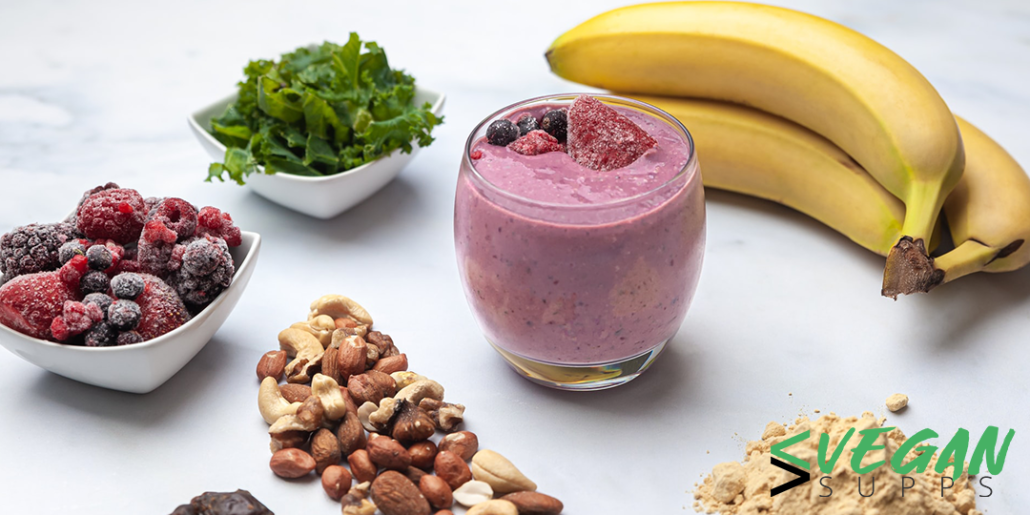
As a vegan, it can be quite difficult to incorporate all the important nutrients into your diet. How do you get enough proteins, fats, carbohydrates, vitamins and minerals? Use this nutrition list if you can't figure it out!
Fats
Fat is a source of energy for your body. Vitamins A, D and E are fat-soluble vitamins. Many people get their fats from foods such as meat, fish, cheese and butter; but these are animal products which, as a vegan, you do not consume. Take a look here at a list of foods containing plant-based fats:
- Nuts, such as almonds, walnuts and cashews.
- Avocados
- Olives
- Olive oil
- Chia seeds
- Flaxseed
Proteins
Proteins are one of the macronutrients in your diet. Many people get their protein from foods such as quark, eggs and chicken. As a vegan, you obviously don’t eat these, so below is a list of plant-based foods that contain protein:
- Nuts, such as almonds, walnuts and cashews.
- Cereals, such as oatmeal and spelt.
- Legumes, such as lentils, chickpeas and black beans.
- Meat substitutes, such as tempeh and tofu.
- Vegan protein powders and shakes
Carbohydrates
Carbohydrates, such as sugars and starch, are a source of energy. It is recommended that you get your carbohydrates from foods that contain good nutrients. This means you should avoid eating too many biscuits, sweets and fizzy drinks. Below is a list of vegan products that contain carbohydrates:
- Potatoes
- Legumes, such as lentils, chickpeas and black beans.
- Fruit and vegetables
- Oatmeal
- Wholemeal products (bread, pasta, etc.)
Vitamins and minerals
You can get vitamins and minerals from a varied diet that includes the foods listed above. If you’re struggling to do that, try first to see if you can adjust your diet. It’s also possible to take extra vitamins and minerals to take in the form of supplements.
There are of course many more vegan foods that contain the nutrients, but this list is a good basis to incorporate into your daily meals.