

Blog
Are you getting enough of these nutrients?
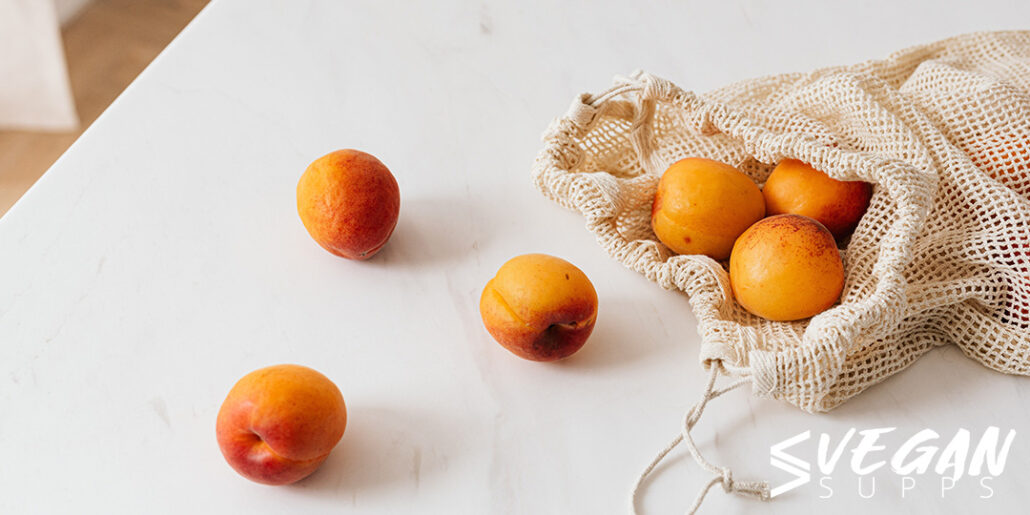
Which vitamins and minerals are less common in a plant-based diet? There are a number of nutrients you need to pay particular attention to if you follow a vegan lifestyle comply. Below is an overview of all these nutrients.
Vitamin B12
Vitamin B12 is a vitamin that vegans need to pay particular attention to. The recommended daily intake for adults is 2.8 mcg.
Vitamin B12 is mainly found in animal products, so how can you easily get the recommended daily intake if you follow a vegan diet? The option that often springs to mind first is to eat certain foods. For example, you can find vitamin B12 in plant-based milks, soya products, breakfast cereals and nutritional yeast. Another option is to take supplements.
Omega-3 fatty acids
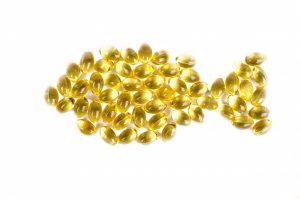 Omega-3 fatty acids are fatty acids that we obtain from our diet. The best-known omega-3 fatty acids are alpha-linolenic acid (ALA), eicosapentaenoic acid (EPA) and docosahexaenoic acid (DHA).
ALA is an essential fatty acid. This means that your body cannot make this fatty acid itself and you have to get it through your diet. ALA is found in vegetable oils (flaxseed oil, rapeseed oil, soybean oil, rapeseed oil), walnuts, chia seeds, tofu, and a little bit in meat and green leafy vegetables. The fatty acids EPA and DHA are mainly found in fish and seafood. EPA and DHA are not essential fatty acids, meaning that your body can make these itself. However, only in a small quantity and provided there are enough ALA has been absorbed into your body.
1% of the calories you need in a day should come from ALA. For The recommended daily intake of EPA and DHA is 200 mg. It can be difficult to get enough EPA and DHA if you follow a vegan diet. Supplements are also available. A popular vegan Omega-3 supplement is TPW - Vegan Omega 3:6:9 Ahiflower Oil.
Vitamin D
 Vitamin D is a fat-soluble vitamin. The recommended daily intake is 10 mcg for adults.
Unfortunately, few foods naturally contain vitamin D, and those that do often do not adequately meet daily requirements. On top of that, most of these foods come from animals. This makes it even more difficult for people on a vegan diet. When using vitamin pills, check whether they contain Vitamin D.
Iron
Iron is a mineral found in many foods. The recommended daily intake is 11 mg for adult men and 16 mg for adult women.
Iron comes in two forms: haem iron and non-haem iron. Haem iron comes from animal products, whilst non-haem iron comes from plants. Haem iron is more easily absorbed by the body than non-haem iron, which is why vegans are often advised to aim for 1.8 times the normal recommended daily intake. Foods rich in iron include beans, spinach, peas, dried fruit (such as prunes and apricots), tofu, cruciferous vegetables (such as broccoli and cauliflower), fortified breakfast cereals, nuts and seeds. In addition, as with all the other nutrients mentioned, you can take a supplement.
Calcium
Calcium is a mineral. Calcium is found in milk, cheese, vegetables, nuts and pulses. Plant-based sources of calcium include pak choi, kale, spinach, watercress, broccoli, chickpeas, soya and black beans, almonds, and fortified plant-based milks and juices. However, these plant-based sources are not absorbed by the body as effectively as dairy products. If your diet does not include any dairy products, there is a high risk of calcium deficiency.
The recommended daily intake is 1000–1200 mg for adults. As well as through diet, calcium supplements are also available. Do have a look at our blog 7 tips to eat healthier!
Zinc
Zinc is a mineral. The recommended daily intake is 7 mg for women and 9 mg for men.
Zinc is found in small amounts in, for example, vmeat, cheese, cereal products, nuts, and shellfish such as prawns and mussels. However, the absorption of zinc from some plant-based foods is limited due to their phytate content. Zinc supplements are also available.
Do you follow a vegan diet? Then you have probably read this entire blog (very wise!). Make sure you get enough vitamins and minerals. There are several vitamin pills that contain iron, calcium and zinc in addition to vitamins. For the Omega 3, we recommend TPW - Vegan Omega 3:6:9 Ahiflower Oil.